Why Zero-Toxin Matters for Babies
Understanding the importance of safe laundry care for your baby's delicate skin
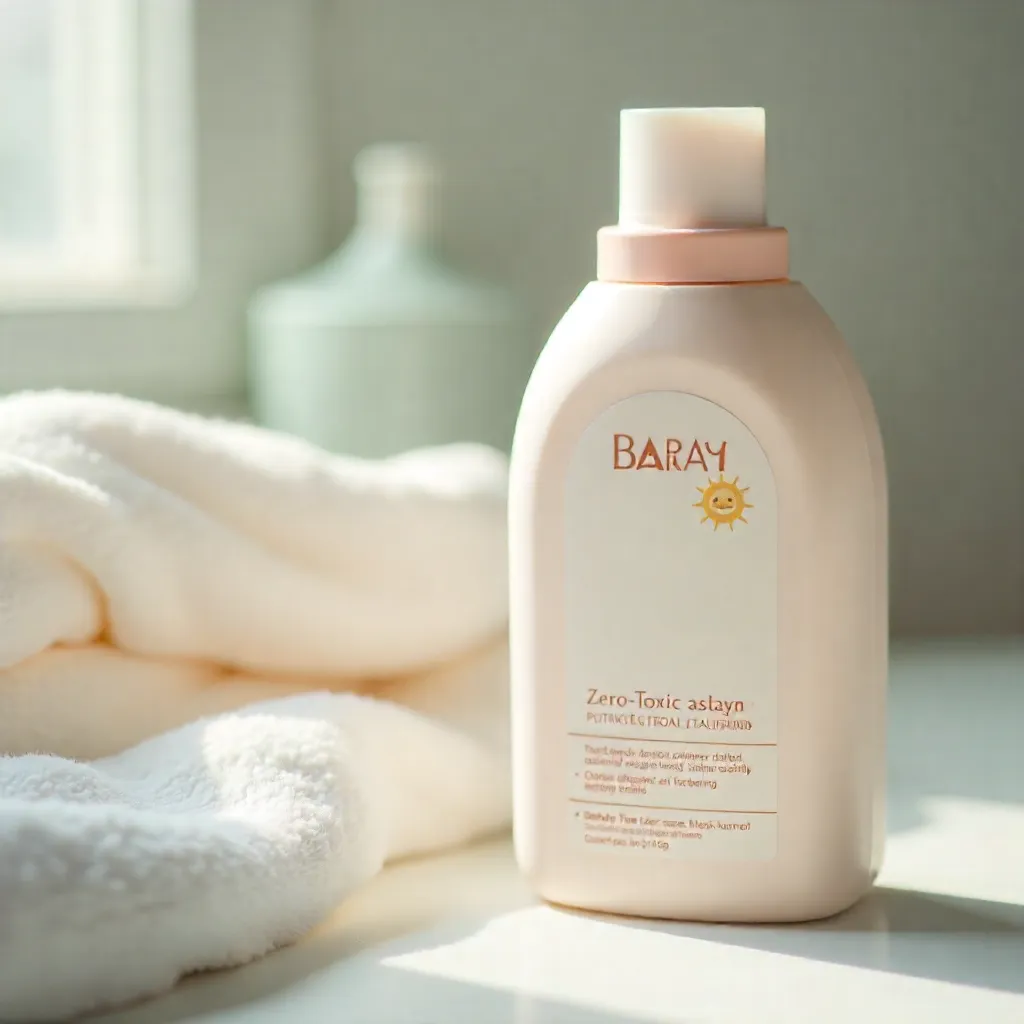
Understanding Baby's Sensitive Skin
Your baby's skin is remarkably delicate—up to 30% thinner than adult skin and more permeable. This means it can absorb substances more easily, making it particularly vulnerable to harsh chemicals found in conventional laundry detergents. The barrier function that protects the skin is still developing, which is why choosing the right laundry products is crucial for your baby's health and comfort.
Skin irritation, dryness, and allergic reactions can occur when baby clothes come into contact with residues from harsh detergents. These reactions can range from mild redness and itching to more severe conditions that require attention.
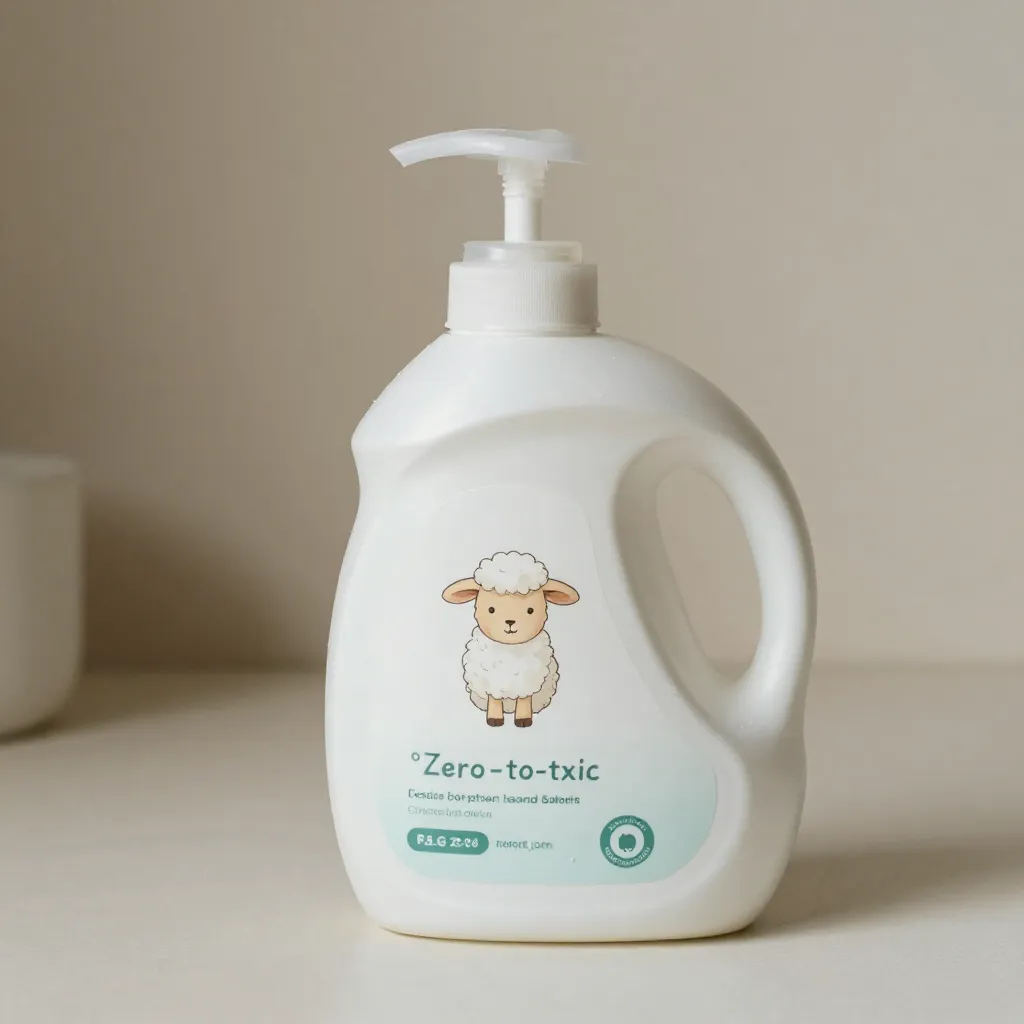
Common Toxins in Laundry Detergents
Many conventional laundry detergents contain ingredients that can be harmful to sensitive baby skin. Here are the main culprits to avoid:
Synthetic Fragrances
Artificial fragrances are among the most common irritants. They often contain phthalates and other chemicals that can cause skin reactions, respiratory issues, and hormone disruption. Babies have sensitive olfactory systems, and strong synthetic scents can be overwhelming or trigger allergic responses.
Optical Brighteners
These chemicals work by absorbing ultraviolet light and re-emitting it as visible light, making clothes appear whiter. However, they can cause skin irritation and allergic reactions. They don't actually clean—they just create an optical illusion of cleanliness while potentially leaving harmful residues on fabrics.
Petrochemicals
Derived from petroleum, these ingredients can strip natural oils from skin and cause dryness and irritation. They may also contain harmful byproducts and are not environmentally friendly. Common examples include polyethylene glycol (PEG) compounds and petroleum-based surfactants.
Sulfates (SLS/SLES)
Sodium lauryl sulfate (SLS) and sodium laureth sulfate (SLES) are aggressive cleaning agents that can be too harsh for baby skin. They can cause dryness, irritation, and strip away protective natural oils. While effective cleaners, their harshness makes them unsuitable for delicate baby garments.
Artificial Dyes
Colored detergents often contain synthetic dyes that can transfer to fabric and come into contact with baby's skin. These dyes can cause contact dermatitis and allergic reactions. There's no functional benefit to colored detergent—it's purely cosmetic and potentially harmful.
Preservatives
Chemicals like formaldehyde, methylisothiazolinone, and parabens are used to extend shelf life but can cause skin irritation and allergic reactions. Some preservatives have been linked to health concerns beyond skin issues, making them particularly unsuitable for baby products.
Red-Flag Ingredient List
When shopping for baby laundry detergents, watch out for these ingredients on product labels. If you see them listed, consider looking for a safer alternative:
- Sodium lauryl sulfate (SLS)
- Sodium laureth sulfate (SLES)
- Fragrance or Parfum (unspecified)
- Optical brighteners
- Formaldehyde
- Methylisothiazolinone
- Parabens (methylparaben, propylparaben, etc.)
- Phthalates
- Benzene derivatives
- Chlorine bleach
- Phosphates
- Dyes (FD&C Blue, Yellow, etc.)
- Polyethylene glycol (PEG) compounds
- Quaternary ammonium compounds (quats)
- 1,4-Dioxane (often a byproduct, not listed)
Safe vs. Unsafe: A Comparison
| Aspect | Conventional Detergents | Zero-Toxin Detergents |
|---|---|---|
| Fragrance | Synthetic fragrances with phthalates | No fragrance or essential oils only |
| Cleaning Agents | SLS/SLES (harsh sulfates) | Plant-based surfactants (coconut, soapberry) |
| Brighteners | Optical brighteners (chemical residues) | Natural plant extracts (no brighteners) |
| Preservatives | Formaldehyde, parabens | Natural preservatives or minimal processing |
| Dyes | Artificial dyes (FD&C colors) | Colorless or naturally colored |
| Petrochemicals | Petroleum-based ingredients | Plant and mineral-based only |
| Skin Impact | May cause irritation, dryness, allergies | Gentle, unlikely to cause reactions |
| Environmental Impact | Not biodegradable, pollutes waterways | Biodegradable, eco-friendly |
Expert Insights
"Baby skin is significantly more permeable than adult skin, making it more susceptible to absorbing chemicals from laundry residues. Choosing products with minimal, natural ingredients reduces the risk of irritation and potential long-term health impacts."
"The first year of life is crucial for skin barrier development. Avoiding harsh chemicals in laundry products helps protect this delicate process and prevents unnecessary exposure to potential irritants."
"Many parents report that switching to zero-toxin laundry detergents has resolved unexplained skin irritation in their babies. Simple ingredient transparency can make a significant difference in infant comfort."
Making the Switch
Transitioning to zero-toxin laundry detergents is one of the simplest ways to protect your baby's sensitive skin. Start by reading labels carefully, and don't be afraid to ask questions about ingredients. Your baby's health and comfort are worth the extra care in choosing the right products.